
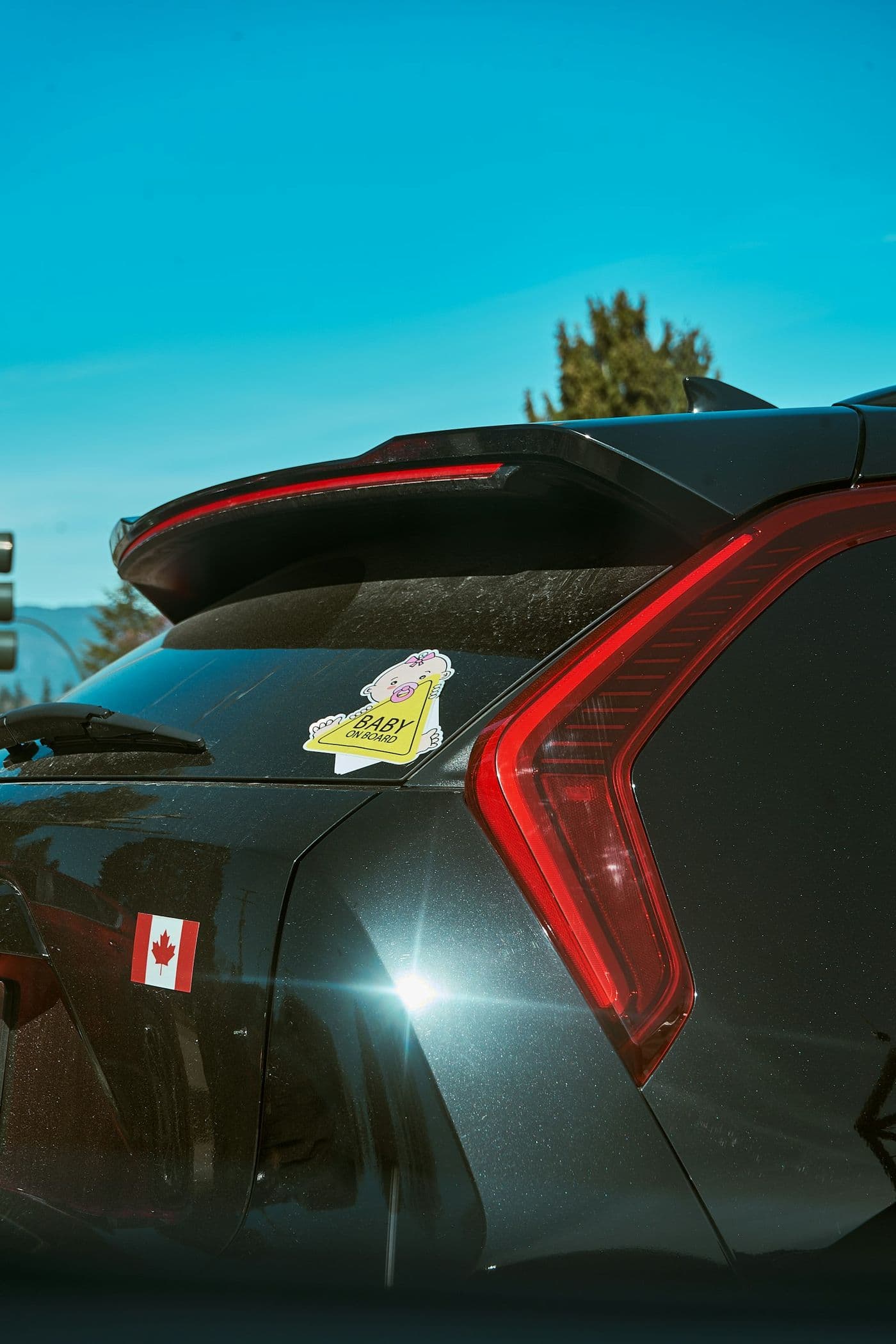
Almost every sticker printer on the internet puts the word “weatherproof” on their homepage. Yet we have all seen bumper stickers turn chalky, peel up at the corners, or fade into a ghostly pink rectangle after a single southern summer.
Why does one “vinyl sticker” fail in four months while another still looks crisp on the back of a Subaru five years later?
It comes down to two things most sticker websites hide in the fine print: whether the vinyl is actually laminated, and what brand of film is sitting underneath the ink. Here is the honest lifespan breakdown of how long our stickers last across every environment, and why our material stack makes the difference.
The short answer
Laminated vinyl stickers last 5–10+ years indoors, 3–5+ years on water bottles that go through the dishwasher, and 3–5 years outdoors on cars and gear. The two things that decide it are a real laminate over the ink and a quality film like Arlon underneath it.
Real-world lifespan by environment
Here is what you can expect when you apply our stickers to a clean, dry surface:
| Environment / use case | Material stack used | Expected lifespan | Primary enemy |
|---|---|---|---|
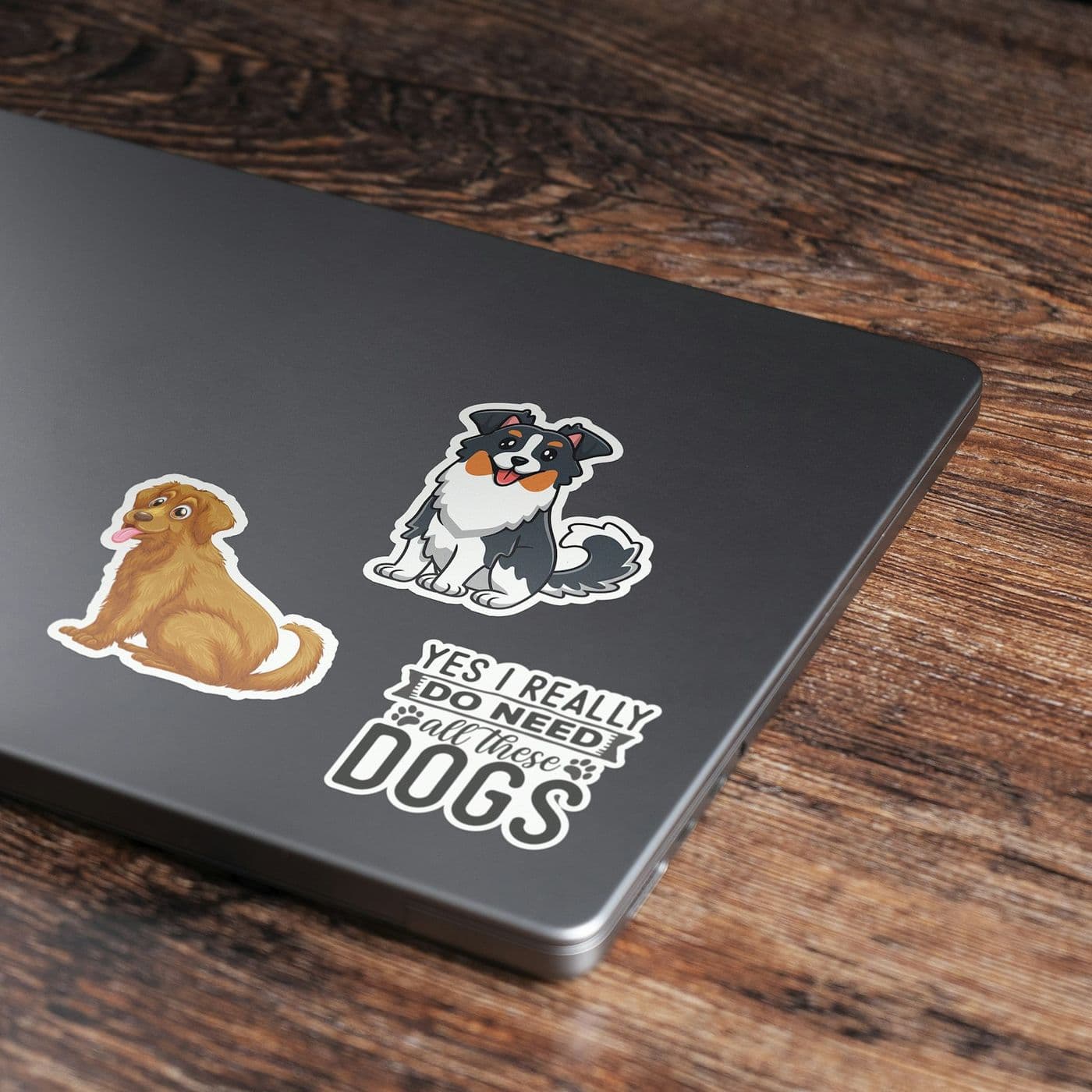
| Indoors (laptops, notebooks, MacBooks, guitars) | 3 mil Arlon vinyl + 3 mil Arlon laminate | Indefinite (5–10+ years) | Hand oils and backpack friction (blocked by the 3 mil laminate). |
| Water bottles & tumblers (dishwasher cycles) | 3 mil Arlon vinyl + 3 mil Arlon laminate | 3–5+ years | High-heat dry cycles & harsh detergent pods. |
| Cars, trucks & outdoor gear (vertical glass/paint) | 3 mil Arlon vinyl + 3 mil Arlon laminate | 3–5 years | Direct UV radiation, road salt, and windshield wipers. |
| Storefront & vehicle windows (no-glue clings) | 4 mil Fellers Black Label static cling | 6 months–2+ years outdoors (depends on environment, pre-cleaning, placement & sun) | Extreme winter cold (stiffens static vinyl if mounted outside). |
| Outdoor concrete, brick & asphalt sidewalks | AlumiGraphics Grip (aluminum foil base) | 6–12+ months under heavy foot traffic | Snowplows, pressure washers, and thousands of shoe soles. |
Why cheap vinyl fades (and why 3 mil Arlon doesn't)
When a budget printer sells ultra-cheap “vinyl stickers,” they usually cut corners in one of two ways:
- They skip the over-laminate (or use a liquid UV spray). Ink sitting directly on top of raw vinyl is vulnerable. Every time you scrub a water bottle with a sponge, slide your laptop into a canvas sleeve, or run your car through a brush wash, you are sanding a microscopic layer of ink off the sticker. Within months, the colors scratch away.
- They use bargain monomeric vinyl that shrinks. Cheap vinyl is full of unstable plasticizers that evaporate in the heat. As the sun bakes the sticker, the vinyl physically shrinks by a millimeter or two, leaving an ugly black halo of exposed glue around the entire border of your sticker.
Our 6-mil Arlon armor stack
At StickerGal, we don't do liquid coatings or unlaminated shortcuts. Every standard custom sticker we print starts with 3 mil Arlon vinyl. Once the ink is cured, we cold-laminate a solid sheet of 3 mil Arlon UV protective film directly over the top.
That gives you a 6 mil total build where your artwork is literally sealed inside a waterproof, UV-blocking vault between two sheets of Arlon polymer. The sun's UV rays get absorbed by the top 3 mil laminate before they can ever bleach out your reds and yellows, and physical scratches never touch the ink.
What about specialty environments?
Sometimes standard adhesive vinyl isn't the right match for the environment. That is why we stock two specialized materials for glass and pavement:
Inside vs. outside glass: 4 mil Fellers Black Label cling
If you are putting seasonal promotions on a storefront window or a parking permit inside a car windshield, our 4 mil Fellers Black Label cling lasts for years when mounted on the inside of the glass facing out. Because the glass itself blocks a portion of UV rays and shields the cling from rain, ice scrapers, and wind, you can peel it off, store it on its backing paper, and reuse it year after year.
Rough pavement & sidewalks: AlumiGraphics Grip
If you stick even the best vinyl sticker on an outdoor concrete sidewalk, foot traffic and rainwater seeping through the porous concrete will lift the edges within days. For outdoor ground installations, we switch to AlumiGraphics, an aluminum-foil-based, non-slip sidewalk material.
- Because aluminum foil has zero “memory” (once you bend foil, it stays bent instead of springing back flat like plastic), it molds deep into textured concrete, asphalt, and brick pavers.
- It is certified slip-resistant in wet or dry weather, endures heavy foot traffic and summer rainstorms for up to a year, and peels up cleanly when your campaign wraps.
3 simple tricks to double your sticker's lifespan
Even the toughest Arlon or AlumiGraphics print will fail early if it gets stuck on a dirty surface. Want your sticker to look brand new five years from now? Follow these three install rules:
- Wipe the surface with rubbing alcohol first (not Windex!). Glass cleaners like Windex leave behind trace surfactants and streaks that interfere with adhesive curing. Wipe your car window, laptop, or water bottle with 70% isopropyl alcohol and let it dry for 60 seconds before sticking.
- Apply between 50°F and 85°F. If you stick a decal onto a freezing cold car bumper in January, the adhesive is too stiff to flow into the microscopic pores of the paint. If you stick it onto black car glass baking at 110°F in August, the glue grabs too aggressively and traps air bubbles.
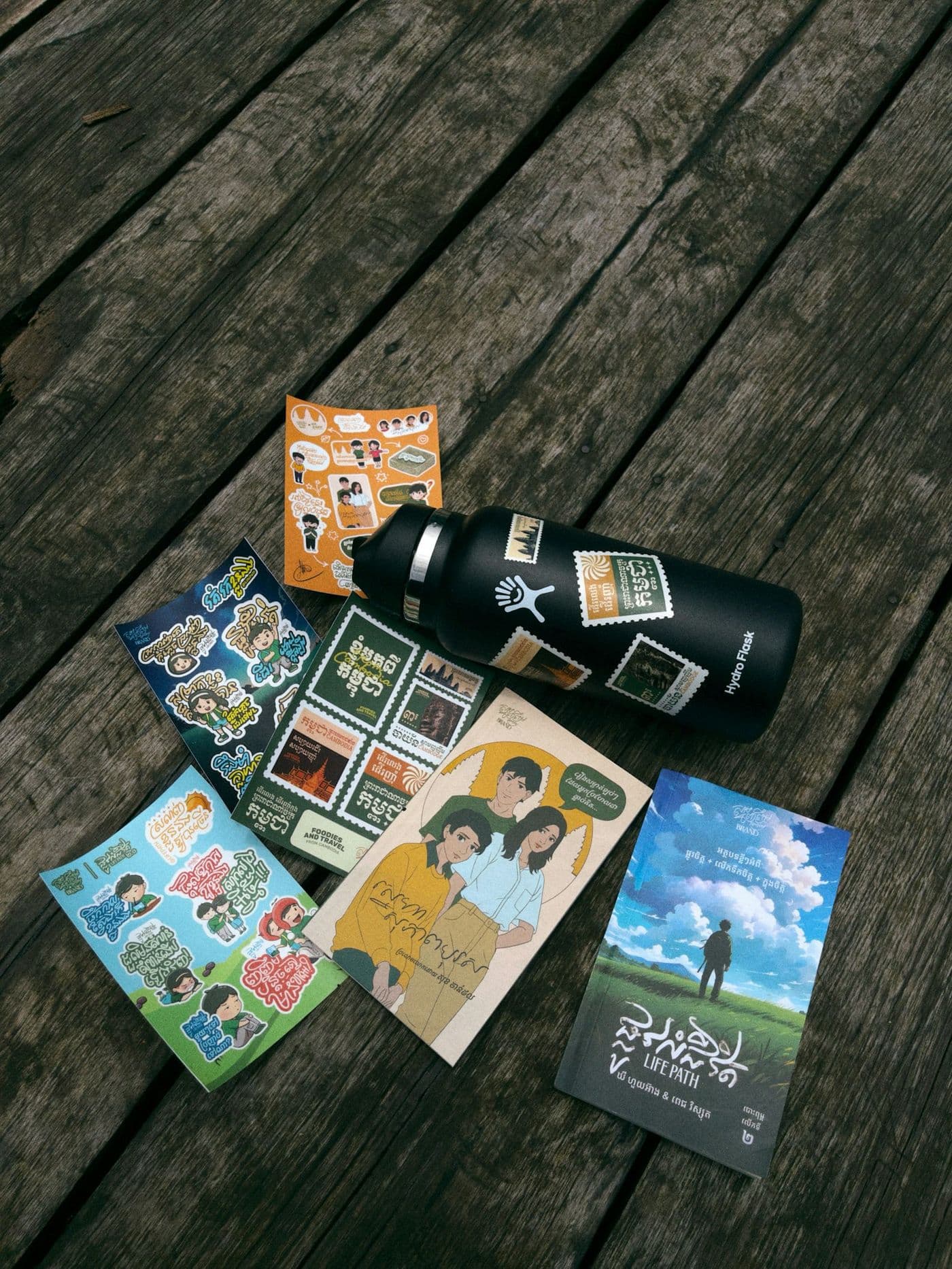
- Wait 24 hours before the first dishwasher run or car wash. Pressure-sensitive adhesives reach about 70% bond strength immediately, but take a full 24 hours to “wet out” and reach 100% bond strength. Give your new Hydro Flask sticker one full day on the counter before tossing it into the dishwasher!
Keep learning
Not sure which cut you need?
Die cut and kiss cut last exactly as long as each other — but they arrive differently and suit different artwork. Here's how to pick.
Read the guide